
How We Build Friendships in Preschool

One of the most important things we work on in preschool isn't just learning letters, numbers, or colors—it's learning how to be a friend.
In fact, making friends is one of my students' favorite parts of preschool! Watching shy children slowly come out of their shells, seeing new friendships form, and hearing little ones proudly call each other their "best friend" is one of the greatest joys of teaching.
Social skills don't just happen naturally for every child. Like any other skill, they grow with practice, guidance, and lots of opportunities. Here are a few of the ways I intentionally help children build friendships and develop the social skills they'll use for years to come.
We Create a Kind and Respectful Classroom
Our classroom rules aren't just about keeping everyone safe or helping us learn—they're also about creating a positive classroom community.
I believe teachers set the tone for the classroom. Children are always watching how we speak to one another, solve problems, and show respect. I do my very best to model kindness, patience, and empathy every day.
I also make it a priority to find something I genuinely enjoy about each child. One of my greatest strengths as a teacher is that loving my students comes very naturally to me, and I truly believe children can feel when they are loved, valued, and accepted. When they experience that kind of environment, they're more likely to extend that same kindness to their classmates.
We Make Time to Greet Each Other
Building friendships doesn't happen by accident—it happens through repeated positive interactions.
That's why we regularly participate in Morning Meetings. We gather together in a circle and spend a few minutes greeting one another by name. Sometimes we sing a name song, sometimes we practice a formal handshake greeting, and other times we play a simple welcome activity using each other's names.
These little routines may seem simple, but they're incredibly powerful. They help children learn everyone's names, make eye contact, practice polite greetings, and feel like they belong to our classroom community.
Those few intentional minutes help every child start the day feeling seen, welcomed, and connected.
We Explicitly Teach Social Skills
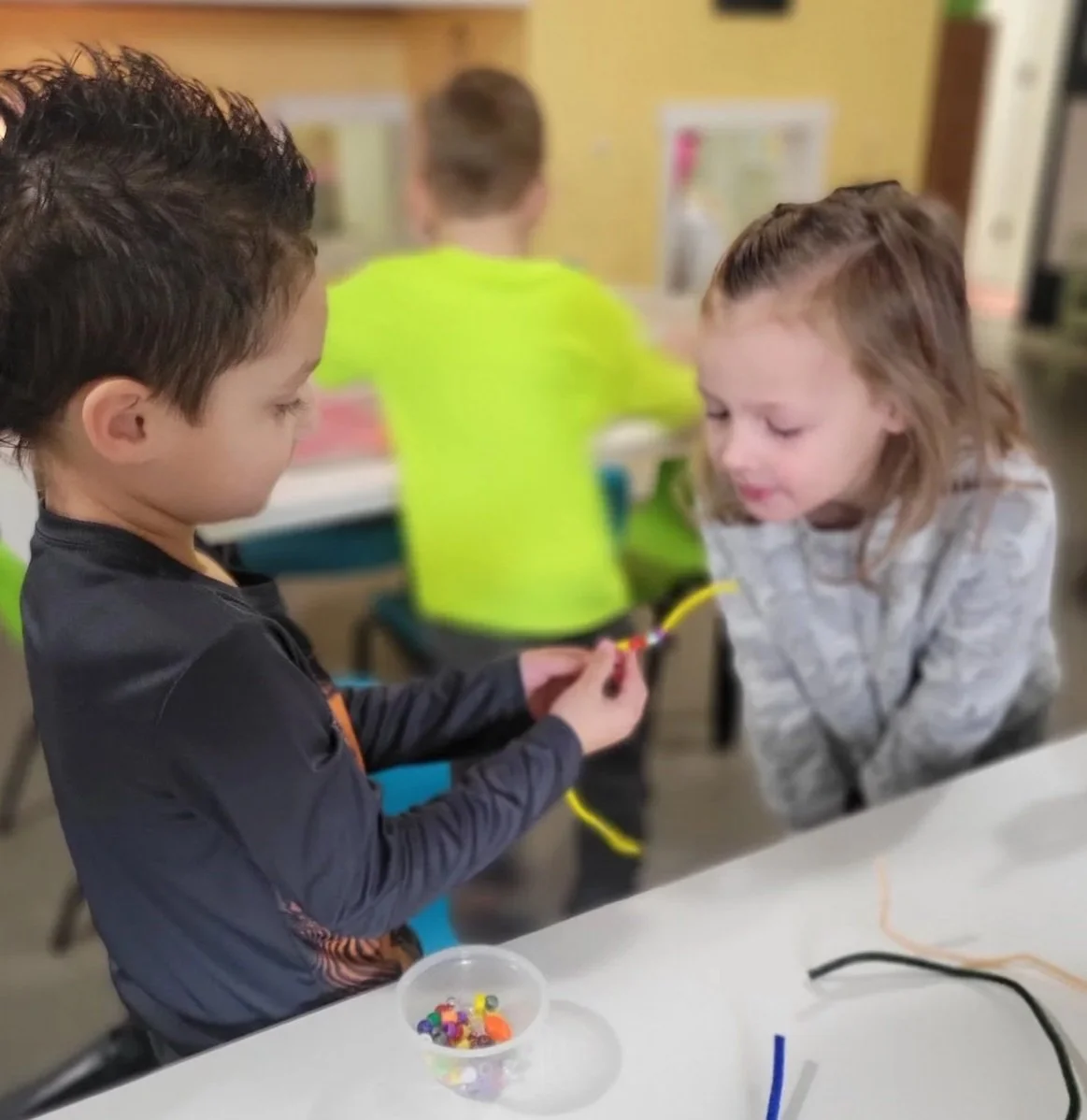
Just like we teach children how to recognize letters or count to 20, we also intentionally teach the skills that help them build healthy friendships.
Each week, we focus on a social-emotional learning objective. Throughout the year, we learn and practice skills like taking turns, being patient, sharing, using kind words, recognizing and expressing our emotions, and calming our bodies when we're upset.
We also spend time learning how to solve problems together. Children practice using their words to work through conflicts, listening to one another, finding fair solutions, and cooperating during play. These are big skills for little people, and they take lots of practice!
Of course, we don't expect preschoolers to master these skills overnight. Conflicts still happen, and that's okay. Those moments become valuable teaching opportunities where I can coach children through the situation and help them practice what we've been learning.
Friendships That Last Beyond Preschool
My hope is that children leave preschool with much more than academic skills. I want them to leave knowing how to include others, solve problems kindly, communicate their feelings, regulate their emotions, and build healthy friendships.
These early social-emotional skills become the foundation for future relationships—in kindergarten, on the playground, in sports and activities, and eventually throughout their lives.
On this International Day of Friendship, I'm especially grateful for the sweet friendships that grow in our classroom every year. Watching children encourage one another, laugh together, solve problems together, and celebrate each other's successes is one of the best parts of being a preschool teacher.
Happy International Day of Friendship! 💕