
How I Create Preschool Lesson Plans That Actually Work: 7 Principles
When I write a preschool lesson plan, I don't start by asking:
"What activity should we do?"
I start by asking:
"What do I want children to learn?"
And honestly, this way of thinking has started to leak into other areas of my life. When I plan a birthday party for my daughter, it's more powerful to start with my objective—to help her feel loved, celebrated, and connected with friends—than to start with a theme or a list of activities. Having the objective in mind helps me decide what matters most and what can wait.
But that's probably a topic for another blog post. For now, let's talk about lesson planning.
Over the years, I've found that the strongest lesson plans all have a few things in common. Whether I'm teaching letter sounds, classroom safety, social skills, or science concepts, these are the questions I ask myself.
1. Start With a Clear Objective

What should children know or be able to do by the end of the lesson?
A good objective is specific and measurable.
Instead of:
❌ Children will learn about safety.
I might write:
✅ Children will identify safe and unsafe behaviors in the classroom.
The clearer the objective, the easier it is to plan everything else.
2. Decide How You'll Know They Learned It
One of the most valuable things I learned in my university teaching program was to think about assessment before planning activities.
How will I know whether students met the objective?

A verbal response?
A demonstration?
A sorting activity?
A drawing?
A game?
If I don't know how I'll measure success, I probably don't have a clear enough objective yet.
For example, if my objective is that children can identify safe classroom behavior, I might assess that by asking them to sort picture cards into "safe" and "unsafe" categories.
3. Ask Yourself: What Are the Kids Doing?
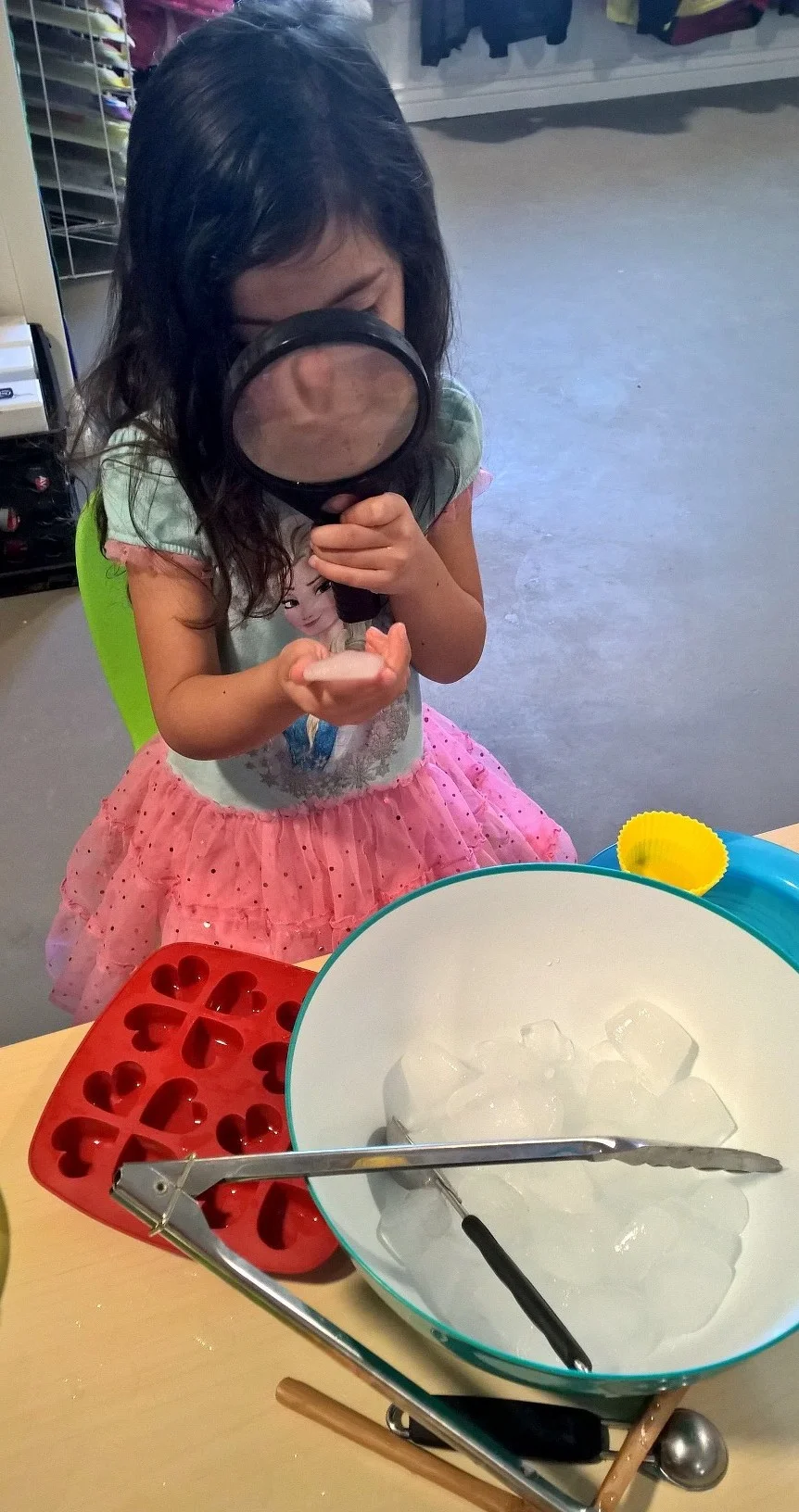
This may be the best lesson-planning advice I have ever received.
One of my professors challenged us to think about every part of a lesson and ask:
"What are the children doing right now?"
If the answer is:
"Sitting and listening."
Then I probably need to rethink part of the lesson. Of course, there are times when children need to listen. But whenever possible, I want them actively participating.
They might be:
Responding together
Making predictions
Acting something out
Looking at visuals
Talking with a partner
Participating in a game
The more engaged children are, the more likely they are to learn.
4. Use More Than One Way to Teach
As someone with ADHD and auditory processing challenges, I've learned first hand that hearing information once isn't usually enough for me.

Many preschoolers are the same way.
When possible, I try to teach concepts through multiple senses.
That might include:
👂 Hearing it
👀 Seeing it
🖐 Touching it
🏃 Acting it out
🎵 Singing it
Children learn in different ways, and providing multiple pathways into learning benefits everyone.
5. Don't Be Afraid of Explicit Teaching

This may be where I differ from some preschool philosophies.
I absolutely believe in play. I believe in exploration. I believe in hands-on learning.
But I also believe children deserve clear instruction.
Sometimes children benefit from discovering concepts on their own. Sometimes they benefit from an adult clearly explaining something. Most often, I find that children benefit from both.
I usually introduce a concept clearly, model it, and then give children opportunities to practice and apply it through play, exploration, and real-life experiences.
6. Practice Matters More Than Perfection
Children rarely master a skill after hearing it once.
That's why my lesson plans always include opportunities for practice.
Lots of practice.
Whether we're learning safety rules, letter sounds, or social skills, children need repeated opportunities to use new knowledge in meaningful ways.
7. Make It Fun
This one might not appear in many university textbooks, but I believe it wholeheartedly.

Fun is a powerful teaching tool.
Joy matters.
Play matters.
Humor matters.
Children learn more when they feel connected, engaged, and excited about what they're doing.
That doesn't mean every lesson needs to be a circus.
But a little enthusiasm, movement, silliness, and wonder can transform a lesson.
My Goal as a Teacher
I don't subscribe completely to any single educational philosophy.
Instead, I try to use evidence-based practices and adapt them to the children in front of me.
Some lessons look like direct instruction. Sometimes it looks like child-led exploration. Some days it looks like a nature walk, a science experiment, a dramatic play scenario, or a movement game. Usually it's a combination of many different teaching approaches and learning experiences.
My goal is not to follow a particular philosophy perfectly.
My goal is to help children learn.
When my lesson planning includes these seven principles, I find more success, more engagement, and more joy—for both me and my students.
Interestingly, these lesson planning mindsets and tips have influenced far more than just my teaching. If you'd be interested in a post about lessons I've learned from teaching that have carried over into my personal life, let me know in the comments!