
Homework in Preschool
At Discovery Adventures Preschool, homework is optional. Always.
I know that sentence may make some parents breathe a sigh of relief—and others wonder, “Wait…shouldn't my preschooler be doing homework?”
The truth is, I don't think homework is inherently good or inherently bad. I think the kind of homework, the amount, and the way we approach it matter enormously.
And for preschoolers especially, I want learning to remain something they are excited to do—not something they learn to dread.
My Middle-Ground Approach
There are some very strong opinions about homework. Some educators and parents believe children should have homework from a young age, while others believe homework has little place in childhood.
The research is more complicated than either extreme. Research specifically on homework for preschool-aged children is limited, and research across childhood suggests that the effects of homework depend on factors such as a child's age, the purpose of the assignment, and how much time it requires.
To me, that makes sense.
There is a huge difference between:
“Spend an hour tonight completing these pages.”
and
“Your child loved our sink-and-float experiment today! See what you can find around your house that you think will sink or float.”
Those are both things a child might do at home, but they serve very different purposes.
I want the second kind.
An Invitation, Not an Assignment
When I send something home, I want it to feel like an invitation to keep learning together, not another assignment for your family to manage.
I actually consider a lot of wonderful things to be “homework.”
Reading a book with your child? Homework.
Talking about what you learned at school? Homework.
Practicing a new letter or sound together? Homework.
Doing a simple science experiment in your kitchen? Homework.
Playing a rhyming game in the car? Homework.
And yes, sometimes completing an activity sheet can be homework, too.
The important part isn't whether an activity happens on a worksheet or around the kitchen table. It's whether the activity is purposeful, developmentally appropriate, and supports what your child is learning.
That's why I often use the term activity sheet rather than worksheet. There is nothing inherently wrong with a worksheet! A thoughtfully designed page can provide useful practice, reinforce a concept, or give a child a chance to demonstrate what they know.
But a page isn't valuable simply because it has been completed.
What I Send Home

When I send something home, I try to make it a meaningful extension of what we're already doing in class.
For example, during a letter S week, we might explore sink-and-float science together at school. I may send home a suggestion for families to continue the investigation at home.
Your child could find a few objects around the house, make a prediction about whether each one will sink or float, and then test the prediction.
That's learning!
They're practicing making predictions, observing, comparing, using scientific vocabulary, communicating their ideas, and connecting a classroom experience to their everyday world.
And they're doing it with the people they love, in a familiar environment.
I may also send home emergent readers for children to practice, a Scholastic magazine with an activity sheet, or other simple activities connected to our current learning.
These aren't assignments that need to be completed perfectly and returned to me. They're invitations to keep learning together at home.
Reading at Home Is One of My Favorite “Homework” Assignments
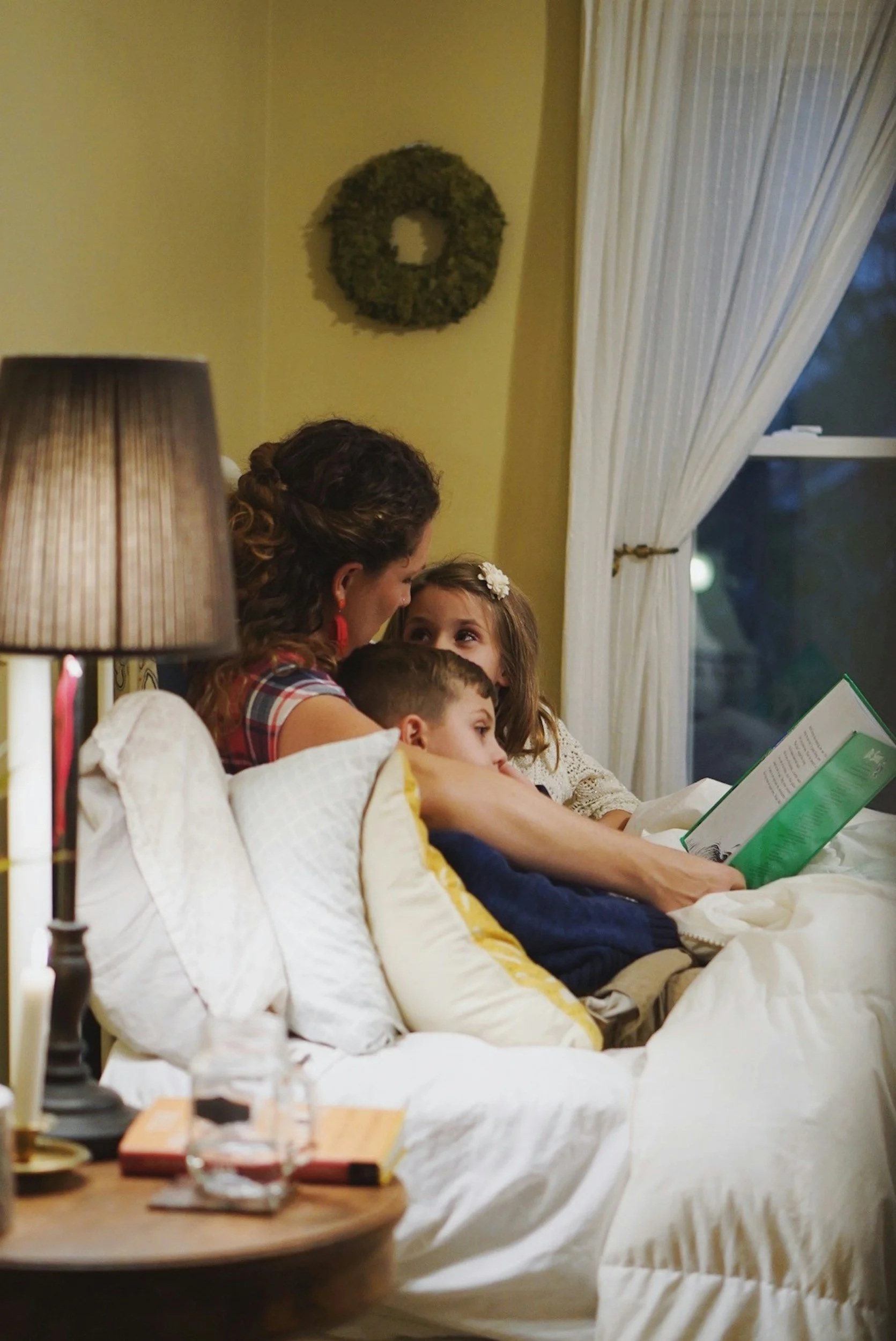
If you do only one thing at home, read with your child.
Read picture books. Let your child look through a familiar book and “read” it to you. Talk about the pictures. Ask what they think will happen next. Read the same favorite book for the hundredth time.
If your child brings home an emergent reader from preschool, practice it together. Let them sound out the words they know and help them with the ones they don't.
Reading at home doesn't need to feel like school.
Cuddling up with a book absolutely counts as learning.
The Little Readers I Make
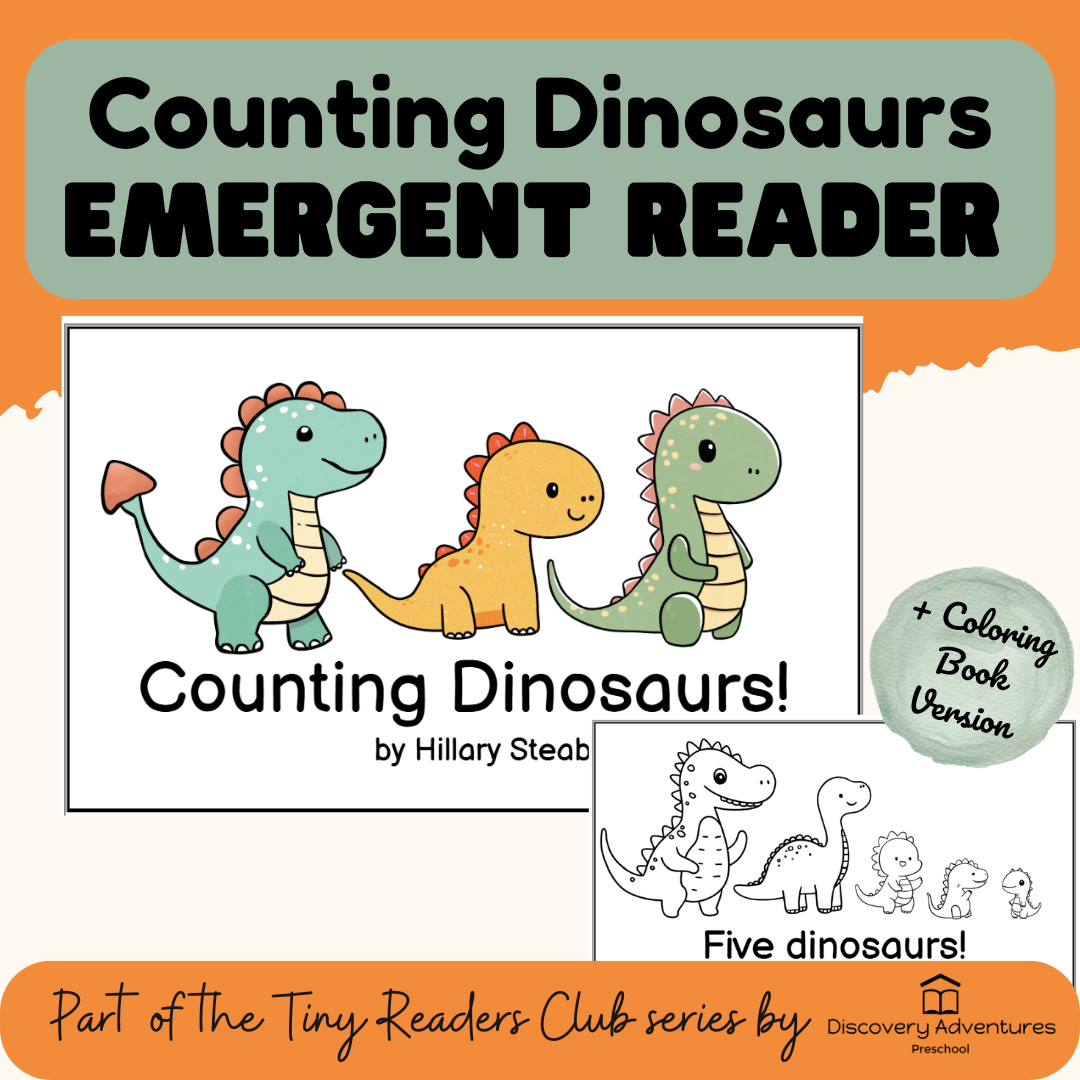

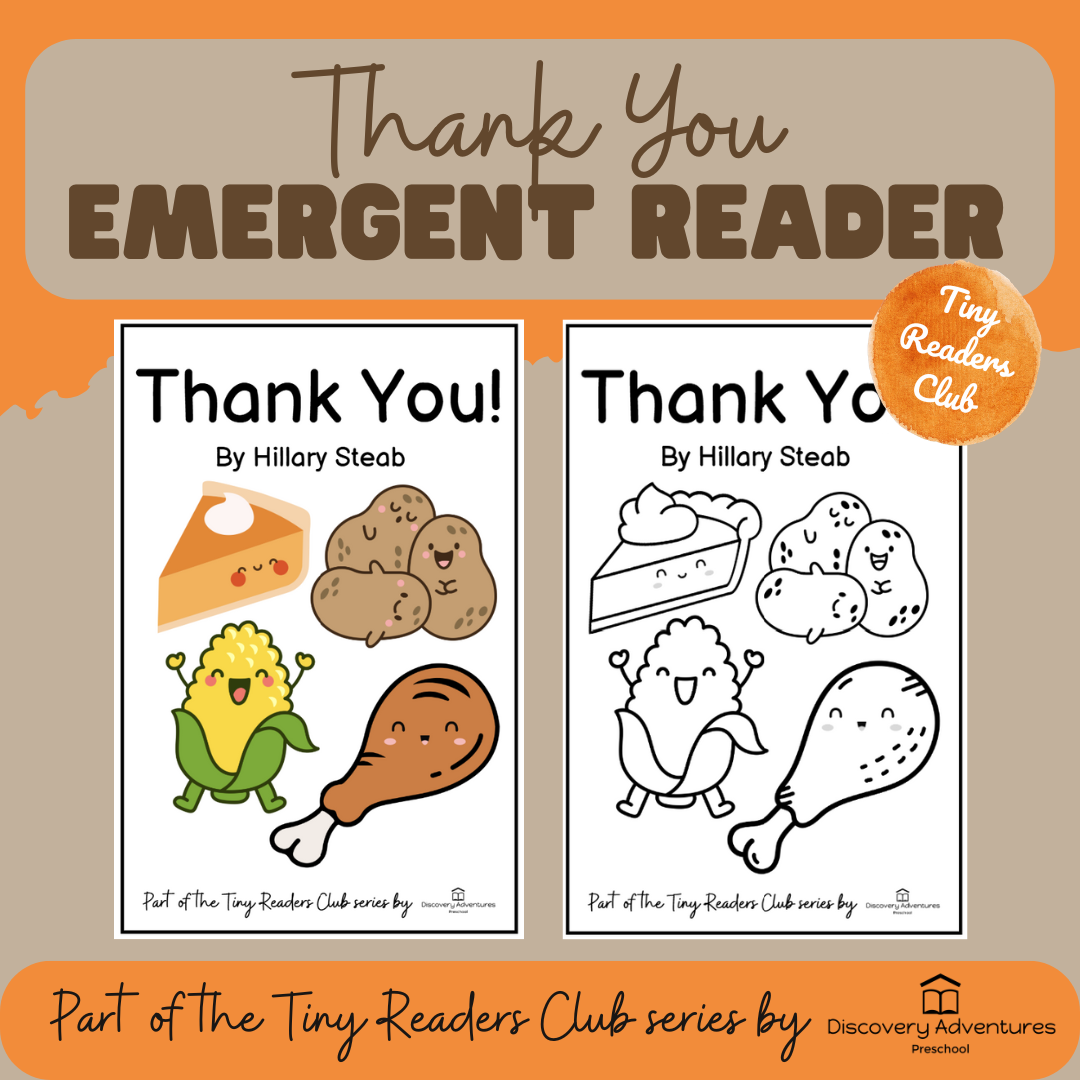
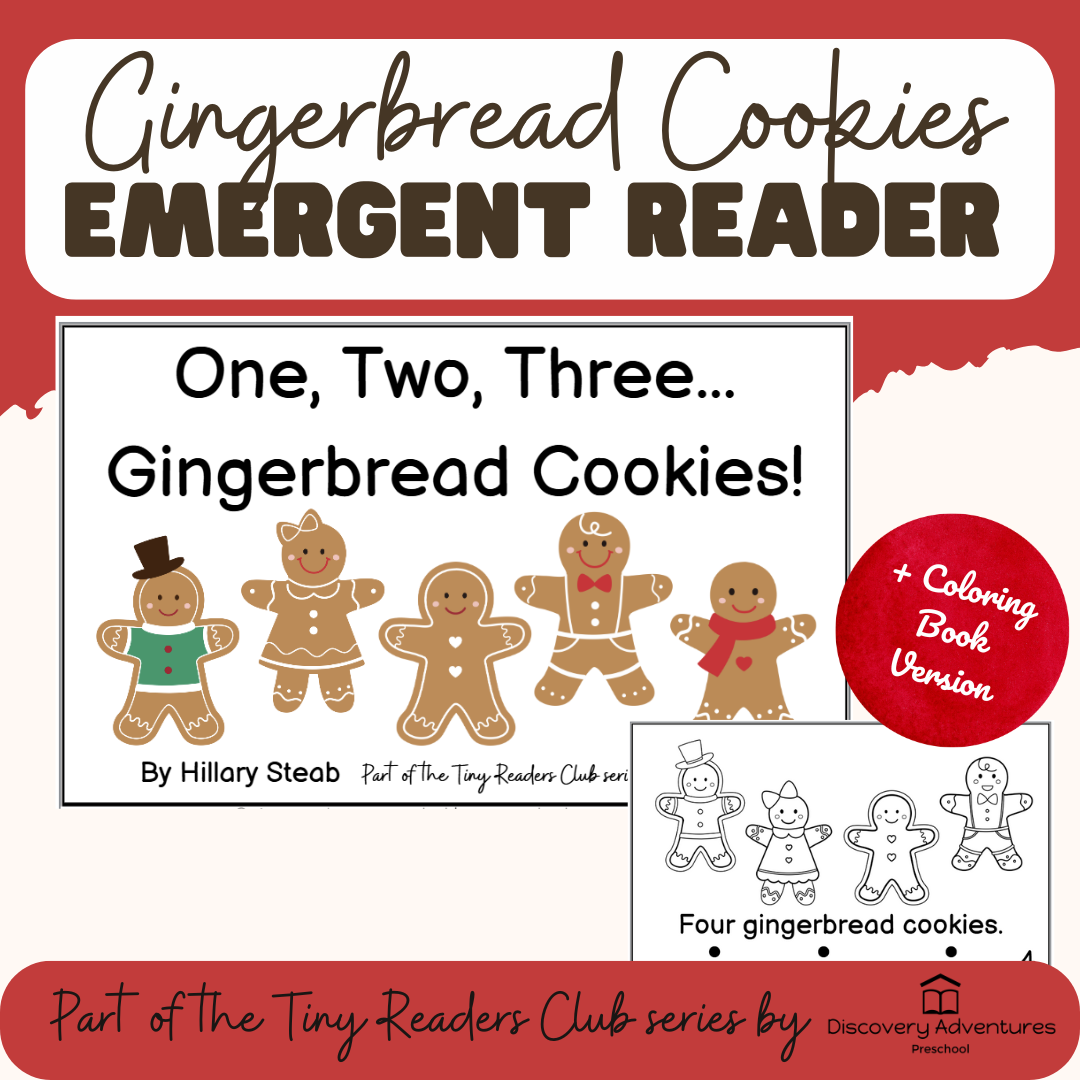
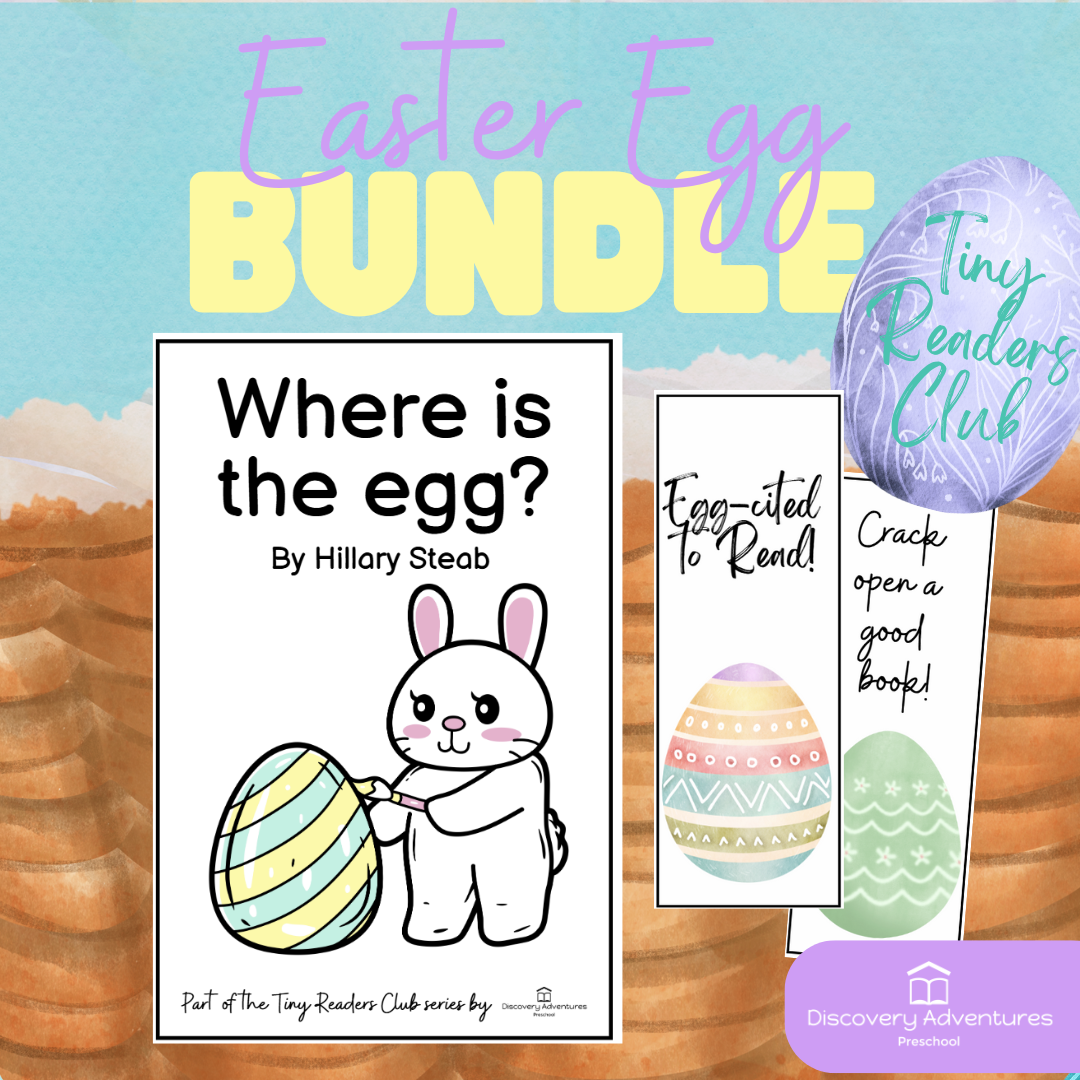

Speaking of emergent readers, I have a bit of a soft spot for them. ❤️
As a preschool teacher, I had a hard time finding enough very beginning readers that were actually designed with preschool-aged children in mind. I wanted books with simple, truly decodable or predictable text, engaging pictures, manageable amounts of print, and topics that felt fun and meaningful to young children.
So I started making my own.
What began as something I wanted for my own preschool classroom has grown into a growing collection of emergent readers, Tiny Readers Club resources, and other early-learning materials designed to make practicing those beginning skills feel fun rather than frustrating.
I use these resources with my own preschoolers, and families outside of Discovery Adventures can purchase them as well. If your child attends Discovery Adventures, you'll also see many of these resources come home throughout the year—and you are always welcome to purchase additional books or resources that your child especially loves.
You can explore my early-learning resources at Our Store.

Waterford Upstart: A Resource I Highly Recommend
Utah families have another wonderful resource available to them: Waterford Upstart, a free early-learning program for eligible preschool-aged children.
Waterford Upstart provides approximately 15 minutes of personalized learning each day and works on skills such as early reading, rhyming, language, and math.
I particularly like it as a complement to preschool, not a replacement for it.
Children can get individualized practice with early academic skills at home, while preschool provides something a computer simply can't: a real classroom community filled with hands-on experiences, play, conversation, relationships, social-emotional learning, and opportunities to learn alongside other children.
I have seen children who consistently use Waterford Upstart make wonderful progress, and I think the short, consistent practice can be a valuable addition to what we're doing in class.
If your child is eligible, I highly recommend looking into it. You can learn more and register at Waterford Upstart.
What Happens If My Child Doesn't Do the Activity?
Nothing!
Seriously. 😊
If I send home an activity sheet, your child is welcome to complete it. They're also welcome to leave it sitting on the kitchen counter while you spend the evening playing outside, reading books, going to soccer practice, visiting Grandma, or simply surviving bedtime.
There is no guilt trip.
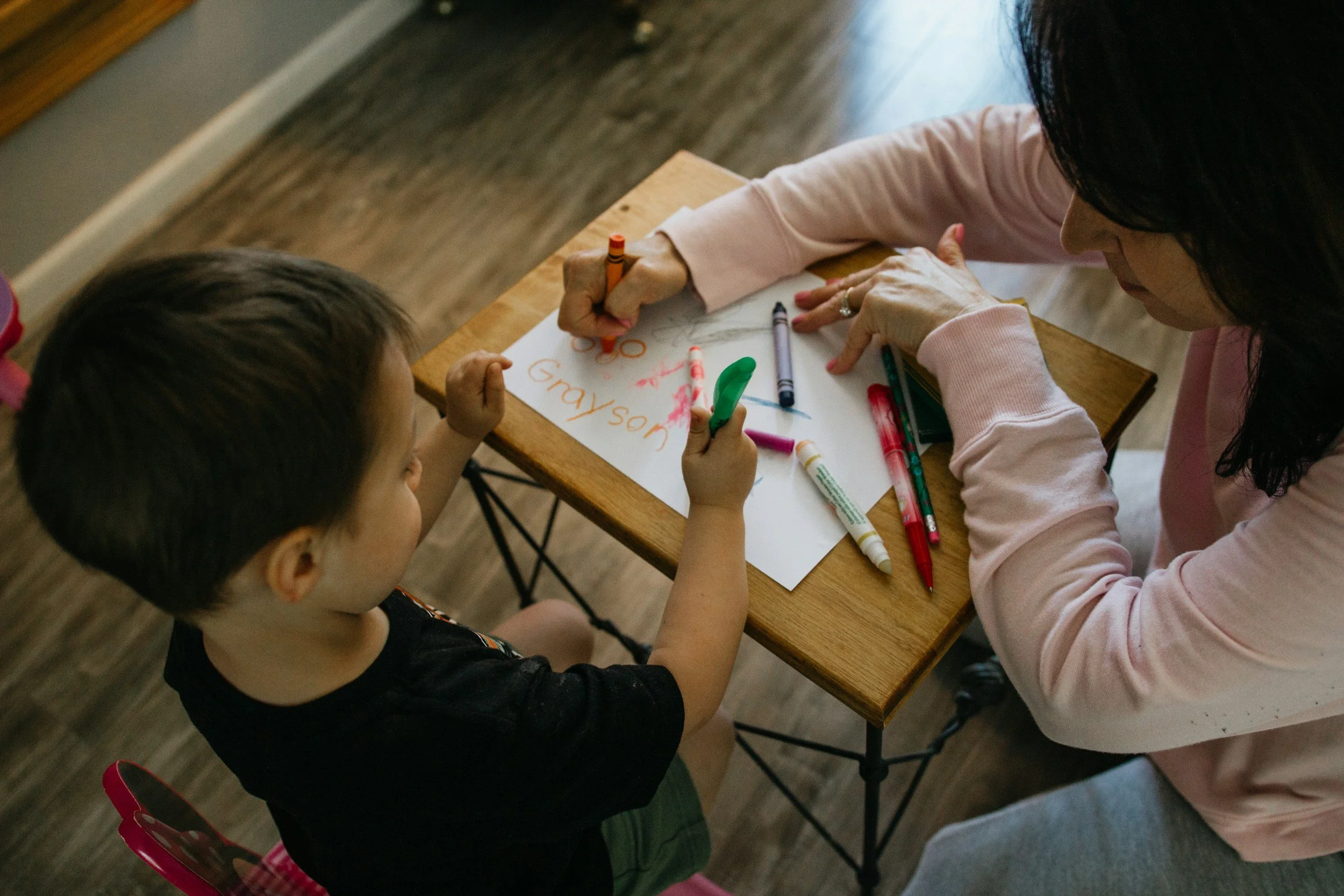
If your child brings an activity sheet back completed, I'll happily put a sticker on it and tell them, “Good job!”
Then they can take it home and put it on the fridge.
Or, as I like to call it, the special trash can filing cabinet. 😉
But if it doesn't come back?
That's completely fine, too.
I don't want a preschooler worrying about disappointing their teacher because they didn't finish a paper.
Preschoolers Need Time to Be Children
Young children learn through play, movement, conversation, exploration, repetition, relationships, and hands-on experiences.
They need time to build with blocks.
They need to pretend.

They need to make messes.
They need to run outside and collect rocks.
They need to ask approximately 700 questions before breakfast.
They need to be bored sometimes.
And they need to discover that learning can be fun.
That doesn't mean we shouldn't practice skills. Practice matters! Children benefit from opportunities to reinforce what they're learning, especially when those opportunities are short, meaningful, and appropriately challenging.
But I don't want learning to become a battle.
I don't want a child who loves books to start thinking reading is a chore.
I don't want a child who is still developing fine-motor skills to feel like they're “bad at school” because writing their name is difficult.
And I don't want families to feel that they have failed because they didn't complete every optional activity I sent home.
Homework Should Add to Childhood—Not Take Away From It
I suppose it comes down to this:
Homework should add to childhood—not take away from it.

I will provide optional activities because I know many families want ideas for extending learning at home. I'll provide books to practice, simple experiments to try, activity sheets when they are useful, and resources like Waterford Upstart that can provide additional practice.
But I will never measure your child's learning—or your parenting—by how much homework gets completed.
If an activity sparks curiosity, conversation, connection, or joy, then it has done its job.
And if you decide that tonight your preschooler needs to put on pajamas, eat a snack, cuddle with you, and read three stories before bed?
That sounds like a pretty successful night of learning to me.
— Your Preschool Bestie
Hillary